The heavy bag and speed bag are the two most iconic pieces of boxing equipment — but they train completely different skills. Which you buy first should depend on what you're actually trying to develop. Here's the breakdown.
What Each Piece of Equipment Actually Trains
Heavy Bag
- Power — develops striking force
- Combinations — chains punches together
- Cardio and conditioning
- Punch resistance — hands get used to impact
- Footwork around a large target
- Body punches and hooks
- Suitable for any skill level
Speed Bag
- Hand speed and timing
- Rhythm and coordination
- Shoulder endurance (arms held up)
- Eye-hand coordination
- Light impact — not for power development
- Steep learning curve for beginners
- Primarily a supplemental tool
Which Should You Buy First?
Buy the heavy bag first. Always. The heavy bag trains power, combinations, conditioning, and punch mechanics — the foundational skills of boxing. It's also much more beginner-accessible; you can walk up to a heavy bag with zero experience and start training immediately.
The speed bag has a significant learning curve (most beginners take weeks to establish a consistent rhythm), provides no resistance training, and is more of a finesse/conditioning tool. It's genuinely impressive to watch an experienced boxer work a speed bag, but it's not what makes them dangerous.
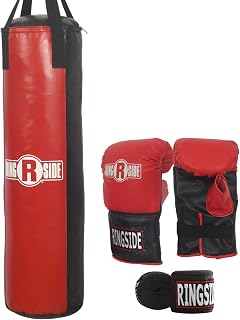
Heavy Bag - Ringside 70 lb Kit
The Ringside 70 lb kit includes the bag, mounting hardware, chain, and a pair of starter gloves. 70 lbs is the right weight for most adults. Handles power work, combinations, and cardio sessions. If you only have budget for one piece of boxing equipment, this is it.
Check Price on Amazon
Speed Bag - Everlast Adjustable Platform
The Everlast speed bag platform is the most popular home speed bag setup. Adjustable height, wall-mount, and includes a small speed bag. The learning curve is steep — budget 4–8 weeks of regular practice before you look like you know what you're doing. Once mastered, it's a satisfying coordination and shoulder endurance drill. Add this after you've been training consistently on the heavy bag for 2–3 months.
Check Price on AmazonHeavy bag = power, combinations, conditioning, skill building. Speed bag = timing, coordination, shoulder endurance, performance aesthetics. Buy heavy bag first. Add speed bag once you're training consistently. If you only ever own a heavy bag, you'll still get an excellent boxing workout.
FAQs
Is the speed bag good for fitness?
Yes — it's a solid shoulder and cardio workout once you can maintain a rhythm. But the caloric burn and cardiovascular demand of a heavy bag session significantly exceeds a speed bag session of the same duration. For fitness-first boxing training, heavy bag is far more efficient. Speed bag is supplemental.
How long does it take to learn the speed bag?
Most beginners take 4–8 weeks of 10–15 minute daily practice to establish a consistent basic rhythm. The technique is counterintuitive — you hit after the bag swings back, not as it comes toward you. Once you understand the timing, it clicks quickly. Before that, it's frustrating.