New to lifting? Your palms will tell you about it after your first week — calluses, blisters, and hand fatigue are common early on. Gym gloves protect your palms while you build up toughened skin. Here are the best options for beginners.
Do You Actually Need Gym Gloves?
Honest answer: maybe not forever. Many experienced lifters train bare-handed and prefer the direct bar feel. But for beginners:
- Your hands haven't built calluses yet — gloves prevent painful blisters that disrupt training
- Palm sweating is more common early in your training — gloves improve grip on smooth bars
- Gloves can reduce wrist strain on pressing movements
Most beginner lifters wear gloves for 3–12 months, then gradually transition to chalk and bare hands as calluses develop. Either approach is valid.
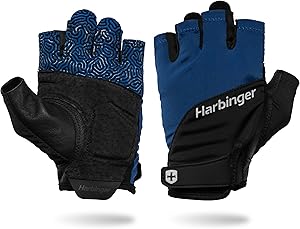
Harbinger Training Grip Gloves 3.0
The Harbinger Pro is the most popular beginner-to-intermediate gym glove on the market. Leather palm with neoprene backing — durable and breathable. Wrist wrap support helps stabilize the joint on pressing movements. Pull tab for easy removal after a sweaty session. Available in sizes XS–XXL. Buyer reviews consistently single out the stitching as the reason these outlast cheaper pairs.
Check Price on Amazon All glove picks
RIMSports Workout Gloves
Half-finger design exposes the fingertips for better feel on the bar. Microfiber palm padding absorbs sweat. Adjustable wrist closure. These are a good option for lifters who want the palm protection of gloves but prefer the direct feel of fingertips on the bar for grip exercises. More comfortable for longer sessions than full-coverage gloves.
Check Price on Amazon
Fit Active Sports Ventilated Lifting Gloves
Under $15, these offer solid protection for beginners who aren't sure if they want to commit to gloves yet. Ventilated fingers reduce sweating. Mesh backing keeps them lighter and cooler than full-leather designs. Not as durable as Harbinger but more than adequate for 3–6 months of regular beginner training.
Check Price on AmazonHarbinger Pro for most beginners — the leather palm lasts, the wrist support helps, and the quality justifies the $25–30 price. Budget tight? The Fit Active ventilated gloves at $12–15 are fine for your first few months.
Gloves vs Chalk vs Straps
Gloves: Best for beginners. Full palm protection, some grip enhancement.
Chalk: No padding but dramatically improves grip. The preferred choice for intermediate+ lifters who've built calluses.
Straps: Not for protection — these wrap around your wrist and the bar to assist grip on heavy pulls. For deadlifts and rows when your grip fails before your muscles do.
FAQs
Do gloves reduce grip strength?
Slightly, yes. Thicker gloves create a larger effective bar diameter, which reduces the mechanical advantage of your grip. The difference is minimal for beginners, but as you advance to heavy compounds, most coaches recommend transitioning to chalk for purer grip training.
How do I size gym gloves?
Measure the circumference of your hand at the widest point (across the knuckles). XS: under 6.5", S: 6.5–7", M: 7–7.5", L: 7.5–8", XL: 8–8.5", XXL: over 8.5". Gloves should fit snugly — loose gloves slip and bunch, which is worse than no gloves at all.