Skiing has the worst beginner-gear problem of any sport we cover. The equipment is expensive, the shops are enthusiastic, and the thing you are told to buy first - skis - is the thing you should buy last. Meanwhile the items that genuinely change how your first week feels cost less than a lift pass between them.
This is the order that actually makes sense: rent the hardware, own the things that touch you. Skis, boots and bindings stay rented until you know what kind of skier you are. Goggles, a helmet, gloves and socks you buy immediately, because they are cheap, they are personal, and the rental versions of them are genuinely unpleasant.
Rent the Skis. Rent Them for Longer Than You Think.
A beginner cannot tell a good ski from a bad one, which is not an insult - the differences between a carving ski, an all-mountain ski and a park ski only become legible once you can reliably link turns. Buying before then means buying on colour, price or a shop assistant's commission, and skis are the single most expensive thing on the mountain.
Renting also means you ski a different ski each trip, which is how you find out what you actually like. And modern rental fleets are genuinely good - resorts replace them every year or two, so a rental ski is frequently newer than one a keen amateur owns. Most people should be three or four weeks into skiing before buying skis, and many never need to.
Rent the Boots Too - Until You Can Afford a Proper Fitting
Ski boots are the exception to every rule about gear, because they are the one item where fit is everything and where buying online is genuinely a bad idea. A boot is sized in Mondopoint - the length of your foot in centimetres - but two boots in the same Mondo size can differ enormously in width, volume and how the cuff sits against your calf.
The right way to buy boots is an hour in a shop with a bootfitter who measures your foot, watches you flex, and heat-moulds the liner. That costs money and cannot be replicated by a size chart. Until you are skiing enough weeks a year to justify it, rent - and if rental boots hurt, go back and ask them to change the size rather than enduring it, which is what almost every beginner does.
Buy These Four, Straight Away
Everything in this list is cheap relative to a ski holiday, personal enough that renting is unpleasant, and makes a difference you will notice on day one.
- Goggles - rental goggles are scratched, and a scratched lens in flat light is genuinely dangerous. This is the item that most changes your day.
- A helmet - rental helmets have unknown impact histories, and a helmet that has taken a hit is finished. Yours costs about the price of three days' rental.
- Gloves - nobody rents gloves. Cold wet hands end more beginner days than cold feet.
- Ski socks - the cheapest item here and the one that fixes the most complaints. One thin merino pair, never two.
The Three Mistakes Almost Every Beginner Makes
Wearing two pairs of socks
The reasoning is intuitive and completely wrong. A ski boot is fitted with a specific amount of space around your foot, and that space is what lets blood circulate and keep your toes warm. Two socks fill it, the boot squeezes, circulation drops and your feet get colder. The friction between the two layers is also where blisters start. Wear one thin merino sock.
Wearing a cotton t-shirt under the jacket
You work hard going down, sweat into the cotton, then sit still on a chairlift in the wind wearing a wet layer against your skin. The evaporation pulls heat out of you at exactly the moment you have stopped producing any. Any cheap synthetic base layer fixes it for very little money - see merino versus synthetic for which kind to buy.
Buying the darkest goggle lens
Dark lenses look good and work beautifully in spring sunshine. In flat light - cloud, fog, falling snow, which is most of a European winter - they flatten the terrain into a featureless white sheet and hide every bump. If you can only own one lens, buy one in the 20 to 40 percent VLT range. The lens tint guide has the numbers.
A Sensible First Kit
Four items, bought once, used every trip. These are the picks we would put in a first-timer's bag.

OutdoorMaster OTG Ski Goggles
The most-reviewed goggle on the mountain and the default first pair for good reason. Three-layer face foam is what makes it seal at the nose instead of venting your breath onto the lens, which is the failure that ruins cheap goggles. The lens is a mid tint, so it is workable in both cloud and sun, and it fits over glasses. Optics are ordinary, nothing actively fails, and you can stop thinking about it.
Check Price on Amazon All goggle picks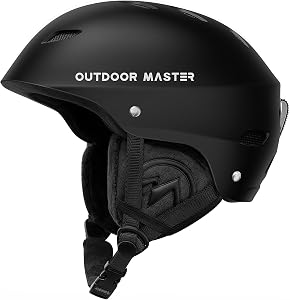
OutdoorMaster Kelvin
ASTM F2040 certified, which means it has passed the same impact test as helmets costing four times as much. Nine genuinely adjustable vents let you dump heat on the way down and shut it on the lift, which is the single control that makes a helmet comfortable rather than tolerable. The shape is neutral enough to suit most heads. If you want one recommendation and no research, this is it.
Check Price on Amazon All helmet picks
MCTi Mens Ski Gloves
The things the cheaper gloves lack, all present: a waterproof insert rather than a coating that rubs off the palm, Thinsulate rather than generic fill, and a wrist leash so it does not go under a chairlift when you take it off for your phone. Not a Gore-Tex glove and not pretending to be. For a first week on groomed runs, this is comfortably enough glove.
Check Price on Amazon All glove picks
WEIERYA Merino Wool Ski Socks
The cheapest item in this guide and the one that fixes the most complaints. It is a merino blend rather than high-percentage wool, so it is less durable and less odour-resistant than the premium socks - but the things that structurally matter are all there: wool against the skin, over-the-calf height, and no seam sitting under the hard boot cuff. Two pairs covers a weekend.
Check Price on Amazon All sock picksRent skis and boots until you have three or four weeks under you and can afford a proper bootfitting. Buy goggles, a helmet, gloves and socks before your first day - they cost a fraction of the holiday and they are the four things that decide whether you are comfortable. Do not wear two pairs of socks, do not wear cotton, and do not buy the darkest lens.
What to Add Next
Once the basics are covered and you are skiing more than one trip a year, the next purchases are a merino base layer set, a second goggle lens for low light, and a boot bag if you are flying. Boots come after that, from a fitter. Skis come last, if at all.
If you are packing for a first trip, what to pack for a ski trip covers the full list including the things people forget, and do you need a ski helmet deals with the certification and MIPS question properly.
Frequently Asked Questions
Should a beginner buy or rent skis?
Rent, for at least the first three or four weeks of skiing. A beginner cannot yet tell a carving ski from an all-mountain ski, so buying means choosing on price or colour, and skis are the most expensive item on the mountain. Renting also lets you try something different each trip, which is how you find out what suits you. Resort rental fleets are replaced every year or two, so the ski is often newer than one a keen amateur owns.
What ski gear should I buy first?
Goggles, a helmet, gloves and ski socks. All four are cheap relative to the cost of a ski holiday, all four are personal enough that renting them is unpleasant or impossible, and all four change how your first day feels. Rental goggles are scratched, rental helmets have unknown impact histories, and nobody rents gloves or socks at all.
How much should a first ski kit cost?
Goggles, a helmet, gloves and socks together come to roughly $120 to $160 at the budget end of our picks, and that covers everything you should own as a beginner. Add a synthetic base layer set for about $17 more. Skis, boots and bindings stay rented, which is where the real money would otherwise go.
Do I need to buy ski boots as a beginner?
No, and buying them online is a genuinely bad idea. Boots are the one item where fit decides everything, and two boots in the same Mondopoint size can differ substantially in width and volume. Buying properly means an hour with a bootfitter who measures your foot and heat-moulds the liner. Rent until you ski enough to justify that, and if rental boots hurt, go back and change the size rather than enduring them.
What is the most common beginner ski gear mistake?
Wearing two pairs of socks. The logic seems sound and it is exactly backwards: a boot is fitted with a set amount of space for circulation, and a second sock fills it, so the boot compresses your foot and your toes get colder. The friction between the layers also causes blisters. One thin merino sock is the correct answer, every time.