Goggles are the piece of ski kit that most changes how the day feels, and the one most people spend the least on. The number that matters is VLT — visible light transmission, the percentage of light the lens lets through. A dark 10% lens is glorious in spring sun and genuinely dangerous in flat light, where it flattens the snow into a blank sheet and hides every bump. A 60% lens does the opposite. Everything else on the box — spherical versus cylindrical, the coating names, the frame colours — matters far less than owning a lens that suits the light where you ski. Below are six that make sense at their price, and the lens tint guide if you want the numbers.
Last updated: September 2026
| Goggle | Tier | Lens | Best Light | Score |
|---|---|---|---|---|
| findway OTG | Budget | Fixed | Mixed | 7.6 |
| OutdoorMaster OTG | Budget | Fixed | Mixed | 8.0 |
| OutdoorMaster PRO | Best Value | Interchangeable | All | 8.4 |
| ZIONOR X4 | Best Value | Magnetic | All | 8.5 |
| ZIONOR X11 | Premium | Magnetic | All | 8.6 |
| Smith Squad ChromaPop | Premium | Interchangeable | Flat / all | 9.1 |
First Real Goggles
A genuine step up from the rental counter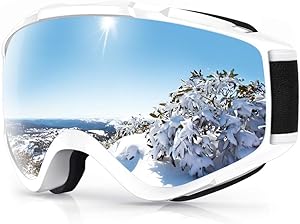
The cheapest pair here that is not a toy. It is a fixed single lens with a dual-pane anti-fog build and a genuinely wide OTG cut, which is the whole reason to pick it: spectacle wearers pay a premium almost everywhere else. The lens is a mid tint, so it is fine in cloud and merely adequate in hard sun. Treat it as a first pair, or as the spare that lives in the car for the friend who forgot theirs.

The default answer at this price and the most reviewed goggle on the mountain for a reason. The foam is three-layer rather than the single strip budget goggles usually get, which is what makes it seal at the nose instead of venting your breath onto the lens. Optics are ordinary and the lens does not come off, but nothing about it actively fails. If you want one pair that works and no decisions, this is it.
The Step-Up
Where interchangeable lenses start to earn their keep
The first pick here where you can change the lens, and that single feature is why it out-earns the pair above it. The frame takes more than twenty lens options at low cost, so a low-light lens for grey weeks is a cheap add-on rather than a second goggle. The swap uses clips rather than magnets, which is fiddlier in gloves but perfectly workable indoors the night before.

Magnetic lens changes at roughly half what the named brands charge for the same convenience. The lens pops off and snaps back without flexing the frame, which matters because clip systems are the reason most people own a spare lens they never fit. Optical quality is a clear step behind the Smith at the top of this page, but the mechanism is the point and it works cold and gloved.
Performance Grade
Lens technology you can actually see through the day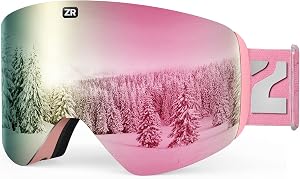
The X4's frame stretched wider, which buys real peripheral vision - useful on busy runs where what you need to see is the person arriving from your left. Still magnetic, still OTG, still well under the price of a brand-name frame. The reason it sits in premium rather than value is simply what it costs; the technology is the same family as the X4 below it.
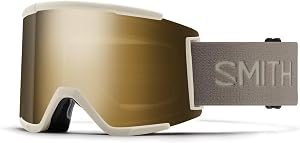
The one pair here where you can see the difference rather than read about it. ChromaPop filters the specific wavelengths that blur into each other in flat light, so bumps, ice and the edge of a shadow separate out instead of merging into white. It ships with a second low-light lens, which quietly closes most of the price gap. If you ski a lot of grey days, this is the upgrade that changes how you ski rather than how you look.
How to Choose Ski Goggles
VLT Is the Only Spec That Changes Your Day
Visible light transmission is the percentage of light a lens passes. Low numbers are dark lenses for bright days; high numbers are clear lenses for storms and night skiing. Roughly: 5–20% for bright sun, 20–40% for mixed or partly cloudy, 40–80% for flat light, fog and snow. The mistake that ruins days is buying the darkest, coolest-looking lens and then skiing a grey week in it, where the terrain disappears into a featureless white and you ski badly without understanding why. If you can only own one lens, buy something in the 20–40% band — it is passable in sun and survivable in cloud.
Interchangeable Lenses Are Worth It Sooner Than You Think
A second lens costs far less than a second pair of goggles, and light on a mountain changes within a single run. Magnetic systems — where the lens snaps out and in without bending the frame — are the ones people actually use, because a clip system that takes four cold minutes and a bent frame gets left in the bag. If you ski more than a handful of days a year, the magnetic tier is the single best value in this whole category.
OTG Means It Fits Over Glasses, and It Is Not Automatic
OTG goggles have notched frame sides that make room for spectacle arms. If you wear glasses on the hill, a non-OTG goggle will press the arms into your temples until it aches, and steam up where your lenses block airflow. Every budget and value pick here is OTG. If you wear contacts it makes no difference, so ignore the label and buy on lens instead.
Anti-Fog Is a Coating, and Coatings Wear Out
Dual-pane lenses with an inner anti-fog coating are the standard, and they work — until you wipe the inside with a glove. The coating is microscopically soft and a single wipe with cold wet fabric takes it off, after which the goggle fogs permanently and no amount of drying brings it back. Never touch the inner lens. Shake water off, leave them open to dry, and use the bag they came in rather than a pocket full of grit.
Fit Is Decided at the Nose and the Helmet Gap
Two failures matter. If the foam does not seal at the bridge of your nose, warm breath rises straight onto the lens and fogs it whatever the coating claims. If there is a gap between the top of the goggle and the brim of your helmet, that strip of forehead takes the cold and the sun all day. Try the two together before deciding they work — the polite term for the gap is "gaper gap", and it is a comfort problem long before it is a fashion one.
Frequently Asked Questions
What VLT should I buy if I can only afford one lens?
Something between 20% and 40%. That band is dark enough not to hurt on a bright groomer morning and light enough that you can still read the snow when cloud rolls in. The single-lens goggles in the budget tier here sit roughly in that range for exactly this reason. Buy a dedicated low-light lens as your second purchase, not your first.
Are expensive ski goggles actually better?
In one specific way, yes: contrast-enhancing lenses like Smith's ChromaPop genuinely make bumps and ice patches easier to see in flat light, and that is not marketing - it is selective filtering of wavelengths that muddy the image. Whether it is worth three times the price depends on how often you ski in bad light. Frame quality, foam comfort and lens durability also improve, but far less dramatically than the price gap suggests.
Why do my goggles fog up and how do I stop it?
Almost always one of three things: you wiped the inside of the lens and destroyed the anti-fog coating, your face mask or neck gaiter is funnelling breath up behind the lens, or you pushed the goggles onto your forehead on a lift and let sweat condense on them. The fixes are to never touch the inner lens, wear the gaiter below the goggle foam rather than tucked under it, and leave goggles on your face or around your neck rather than on your helmet.
Do I need OTG goggles if I wear glasses?
Yes, if you plan to keep the glasses on. Standard goggles have no channel for the arms, so they press into your temples and the extra lens sits too close to the goggle, trapping warm air and fogging both. OTG frames are wider and notched, and cost almost nothing extra. The alternative is contact lenses or a prescription insert, both of which give better optics if you are willing.
Can I use ski goggles for snowboarding?
Yes - there is no meaningful difference. Goggles are sold interchangeably for both, and every pair here is listed for skiing and snowboarding alike. Fit against your helmet and the lens tint for your local light are the only things worth choosing on.