A swim cap protects your hair from chlorine, reduces drag, and helps keep goggles in place. The three material choices are silicone (most durable, comfortable, and popular), latex (thinner, better hydrodynamics, less comfortable), and neoprene (thermal insulation for open water and cold conditions). For competitive racing, a tightly fitted silicone or polyurethane cap worn over a standard cap is standard practice for maximum drag reduction.
Last updated: September 2026
| Swim Cap | Tier | Material | Best For | Score |
|---|---|---|---|---|
| Speedo Silicone Swim Cap | Budget | Silicone | General training | 7.8 |
| Arena Classic Silicone Cap | Budget | Silicone | Beginners | 7.6 |
| Speedo Long Hair Swim Cap | Best Value | Silicone (large) | Long / thick hair | 8.7 |
| ZONE3 Heat Tech Neoprene Swim Cap | Best Value | Neoprene | Open water / cold | 8.5 |
| Speedo Fastskin Racing Cap | Premium | Polyurethane blend | Competition | 9.1 |
| Arena Powerskin Racing Cap | Premium | Polyurethane blend | Elite racing | 9.3 |
Under $15
Reliable silicone caps for everyday training
Speedo's standard silicone cap is a workhorse — durable, easy to put on, and comfortable enough for daily training sessions. Silicone is significantly more comfortable than latex and doesn't pull hair. This cap fits most head sizes and is a reliable choice for anyone who just needs something that works and won't fall apart after a season. Available in almost every colour imaginable to identify your lane.

Arena's most affordable silicone cap is a frequent club-team choice due to its low price and decent durability. It's slightly thinner than Speedo's equivalent, which means it fits a bit tighter and may tug hair more. That said, at under $10 it's hard to argue with the value. A great cap for beginners, younger swimmers, or as a backup cap to keep in your bag.
$15 – $30
Specialist caps for long hair and open-water swimming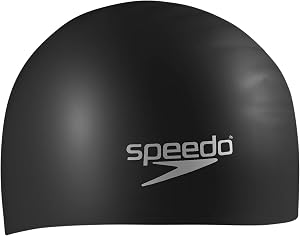
Standard swim caps are designed for short hair — if you have long, thick, or curly hair, a standard cap is a constant battle. Speedo's Long Hair cap is contoured with extra volume at the back to accommodate bulk, and the thicker silicone dome provides the tension needed to hold everything in place without the strap-like tightness. This single product has converted many long-haired swimmers who had given up on caps entirely.

Essential for open-water swimmers and triathletes who train in cold water. The neoprene provides significant thermal insulation that silicone simply can't match — once you've worn a neoprene cap in cold water, you'll never go back to silicone for outdoor sessions. It also provides some buoyancy and a comfortable cushioned feel that's very different from silicone. Many open-water swimmers double-cap: neoprene under silicone for maximum warmth and goggle security.
$30 & above
Race-grade polyurethane caps for competition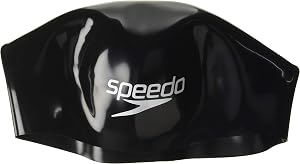
Speedo's Fastskin cap is designed as part of a system — cap, goggles, and suit working together as a complete hydrodynamic package. The polyurethane-blend material moulds more tightly to the head than silicone, creating a near-seamless surface. The cap integrates with the Fastskin goggle eyepieces so the goggles sit flush to the cap rather than sitting on top of it — a measurable drag reduction over a full race distance.

The Arena Powerskin cap completes Arena's race-day ecosystem alongside the Carbon-Flex suit and Cobra Ultra goggles. The ultra-thin polyurethane material has a textured outer surface that channels water flow more efficiently than a smooth cap — a counterintuitive design proven in fluid dynamics testing. World Records have been set in this cap. Best used over a standard silicone cap for optimal goggle grip and shape retention.
How to Choose a Swim Cap
Silicone vs Latex
Silicone is the right choice for nearly everyone — it's more comfortable, doesn't pull hair, and lasts much longer than latex. Latex is thinner and creates a tighter fit preferred by some competitive swimmers, but it tears more easily and causes allergic reactions in some people.
Hair Length Matters
Standard caps are designed for short to medium hair. If you have long, thick, or tightly curled hair, always choose a cap specifically designed for long hair. Forcing long hair into a standard cap will cause leaking and discomfort, and you'll defeat the drag-reduction purpose entirely.
When to Double Cap
For competition, many elite swimmers wear two caps: a standard silicone cap first, goggles over it, and then a tighter polyurethane racing cap on top. This secures the goggles flush to the head and gives you the tight fit of a racing cap without fighting to get goggles under it.
Frequently Asked Questions
Do swim caps keep your hair completely dry?
No — swim caps are not designed to keep hair dry, and no standard swim cap will achieve this. They are designed to reduce drag, protect hair from chlorine damage, and keep hair out of your face and goggles. If waterproofing is the goal, a neoprene cap gets closer, but water will still enter around the edges.
How do I put on a swim cap without it ripping?
For silicone caps: keep fingernails short, or use the back-of-hand technique — ball your fists inside the cap and stretch it over your head front to back, using your knuckles rather than fingertips. Wet your hair first for an easier slide.
How long does a silicone swim cap last?
A quality silicone cap used 3–4 times per week should last 6–12 months. Rinse with fresh water after each swim, keep it out of direct sunlight, and store it flat. Latex caps degrade much faster — typically 2–4 months of regular use.
Do I need a cap if I have short hair?
Many pools require caps for hygiene reasons regardless of hair length. Beyond that, a cap reduces drag even for short-haired swimmers. At a competitive level, every marginal improvement matters. For casual training, it's optional but recommended.