A good training swimsuit does two things: it doesn't stretch out in chlorine, and it doesn't slow you down with drag. Recreational swimwear degrades within weeks in a pool — training-specific suits use polyester or chlorine-resistant nylon blends that retain their shape and compression for months. The key specs to look for are chlorine resistance (polyester beats nylon beats Lycra/Spandex), compression level (higher for competition, moderate for training), and suit style (jammer for men, one-piece for women gives the most coverage and least drag).
Last updated: September 2026
| Swimsuit | Tier | Material | Style | Score |
|---|---|---|---|---|
| Speedo Endurance+ One Piece | Budget | Endurance+ polyester | Women's one-piece | 7.9 |
| TYR Durafast One Diamondfit | Budget | Durafast One | Women's one-piece | 8.0 |
| Speedo Flyback Training Suit | Best Value | Endurance+ polyester | Women's flyback | 8.4 |
| Speedo Endurance+ Jammer | Best Value | Endurance+ polyester | Men's jammer | 8.5 |
| Arena Powerskin Carbon-Flex VX | Premium | Carbon fibre yarn | Women's one-piece | 9.3 |
| Speedo LZR Racer X Jammer | Premium | LZR Pulse fabric | Men's jammer | 9.5 |
Under $40
Chlorine-resistant training suits that outlast recreational swimwear
Speedo's Endurance+ fabric is the gold standard for recreational training suits — the polyester blend resists chlorine degradation and holds its shape through hundreds of swims. This one-piece features a conservative cut, modest leg opening, and comfortable straps that don't dig in during long sessions. An excellent entry point for fitness swimmers who want a suit that won't stretch out in two months.

TYR's Durafast One material is arguably the most chlorine-resistant fabric on the market — lab-tested to maintain colour and compression for 300+ hours of pool time. The Diamondfit cut is slightly more athletic than a standard one-piece, with a modest scoop back for shoulder freedom during freestyle. An outstanding value pick with wide colour availability and excellent durability track record.
$35 – $60
Better compression and athletic cuts for serious training
The flyback strap design crosses at the back, giving your shoulders full range of motion during backstroke and freestyle without the straps slipping. Made from Endurance+ polyester, this is Speedo's most popular training suit for competitive club swimmers. It provides more compression than the standard one-piece without being restrictive, and the close-to-body cut reduces drag measurably compared to looser recreational suits.

The definitive men's training jammer. Jammers cover from waist to above the knee, offering lower drag than a brief while providing compression that supports blood flow during long training sets. Speedo's Endurance+ fabric means this will survive heavy training schedules without losing shape or fading. The flat-seam construction prevents chafing, and the wide, flat drawstring waistband sits securely through aggressive flip-turns.
$150 & above
Race-grade compression and hydrodynamic technology for competition
Arena's flagship women's race suit integrates actual carbon-fibre yarn into the fabric to create a full-body compression system that supports muscles during peak effort. The VX version added a new bonded seam construction that eliminates any sewing-thread drag. FINA-approved for competition worldwide. This is the suit worn by Arena-sponsored Olympic swimmers — it provides a measurable performance edge for any serious competitor.
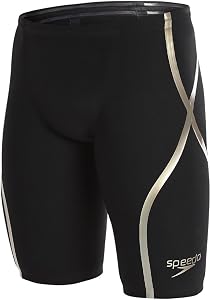
The successor to the famous LZR Racer that broke world records. Speedo's LZR Pulse fabric is the most hydrodynamic textile allowed under FINA rules — bonded seams, no excess fabric, maximum compression in the core. At the elite level it's simply the fastest jammer available. Even for sub-elite swimmers, the compression and feel is unlike anything in the training tier. Save this for race day — it degrades faster than training suits.
How to Choose a Training Swimsuit
Material Matters Most
Chlorine destroys elastane/Spandex-heavy fabrics within weeks of regular pool use. Look for suits with high polyester content — Speedo's Endurance+ and TYR's Durafast One are the industry benchmarks. They cost slightly more upfront but last 5–10× longer than department store swimwear.
Fit for Training vs Racing
Training suits should be snug but not restrictive — you'll wear them for long sessions. Race suits should feel uncomfortably tight when dry; they stretch slightly in the water to your ideal compression level. Never train in your race suit — it degrades with every wear.
Cut Considerations
For women, flyback straps give the most shoulder freedom for competitive strokes. For men, jammers strike the best balance of compression and drag reduction for training. Race briefs are optimal for speed but impractical for training alongside others.
Frequently Asked Questions
How long should a training swimsuit last?
A quality chlorine-resistant polyester suit (Endurance+, Durafast One) lasts 6–12 months with 3–4 swims per week. Always rinse in cold fresh water after each swim and never put it in the dryer. Heat and UV degrade the fibres significantly faster than chlorine.
What size should I buy — my normal clothing size?
Swimsuits for training should be purchased 1–2 sizes smaller than your normal clothing size, particularly from Speedo and TYR. They're designed to stretch to your body in the water. If it feels comfortable when dry, it's probably too loose for training.
Can I wear the same suit for training and racing?
You can, but it's not ideal. Race suits (like the LZR or Carbon-Flex) are designed for short, intense use and wear out faster. Most competitive swimmers have dedicated training suits for daily practice and save their race suits for meets.
Are jammers faster than briefs?
In elite competition, the data shows briefs are marginally faster due to less fabric drag — which is why many elite sprinters choose briefs. But for training and most competitive meets, jammers are standard for men because of the additional muscle compression they provide.